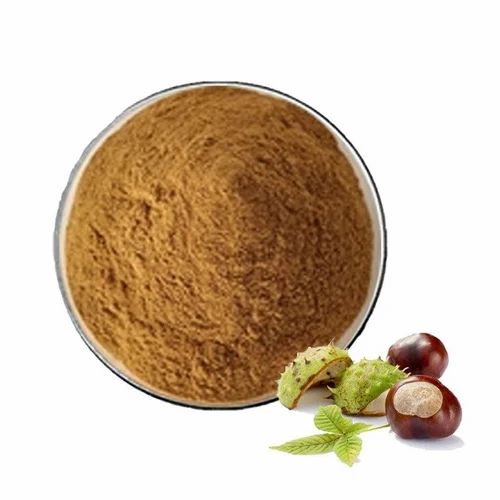
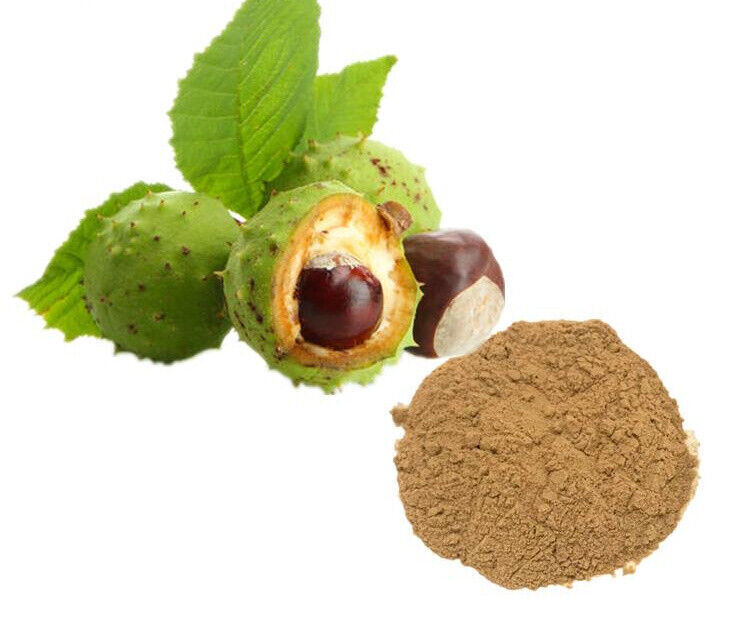
A horse chestnut refers to both a type of tree and the nut it produces. The tree, Aesculus hippocastanum, is a large deciduous tree native to the Balkans, often grown in temperate climates. The tree’s fruit, called conkers, are the nuts that are reddish-brown and shiny.
Here’s a more detailed breakdown:
The Tree: Aesculus hippocastanum is a large tree with distinctive leaves that resemble fingers, radiating out from a central point. It’s also known as the horse-chestnut, buckeye, conker tree, or Spanish chestnut.
The Nut: The conker, or horse chestnut nut, is a shiny, reddish-brown seed that grows inside a spiny, green husk. It’s not edible for humans and is toxic if ingested.
Uses and Properties: Horse chestnut seed extract has been traditionally used for various conditions like arthritis, pain, and swelling. It’s also been promoted for treating chronic venous insufficiency, which can cause leg pain and swelling. The extract is believed to have anti-inflammatory properties and may improve blood flow. However, it’s important to note that raw materials from the horse chestnut may contain toxic compounds, so further research is needed to fully understand its benefits and risks.
Botanical Name: Aesculus hippocastanum.
Common Name: European horse chestnut, buckeye, and conker tree.